
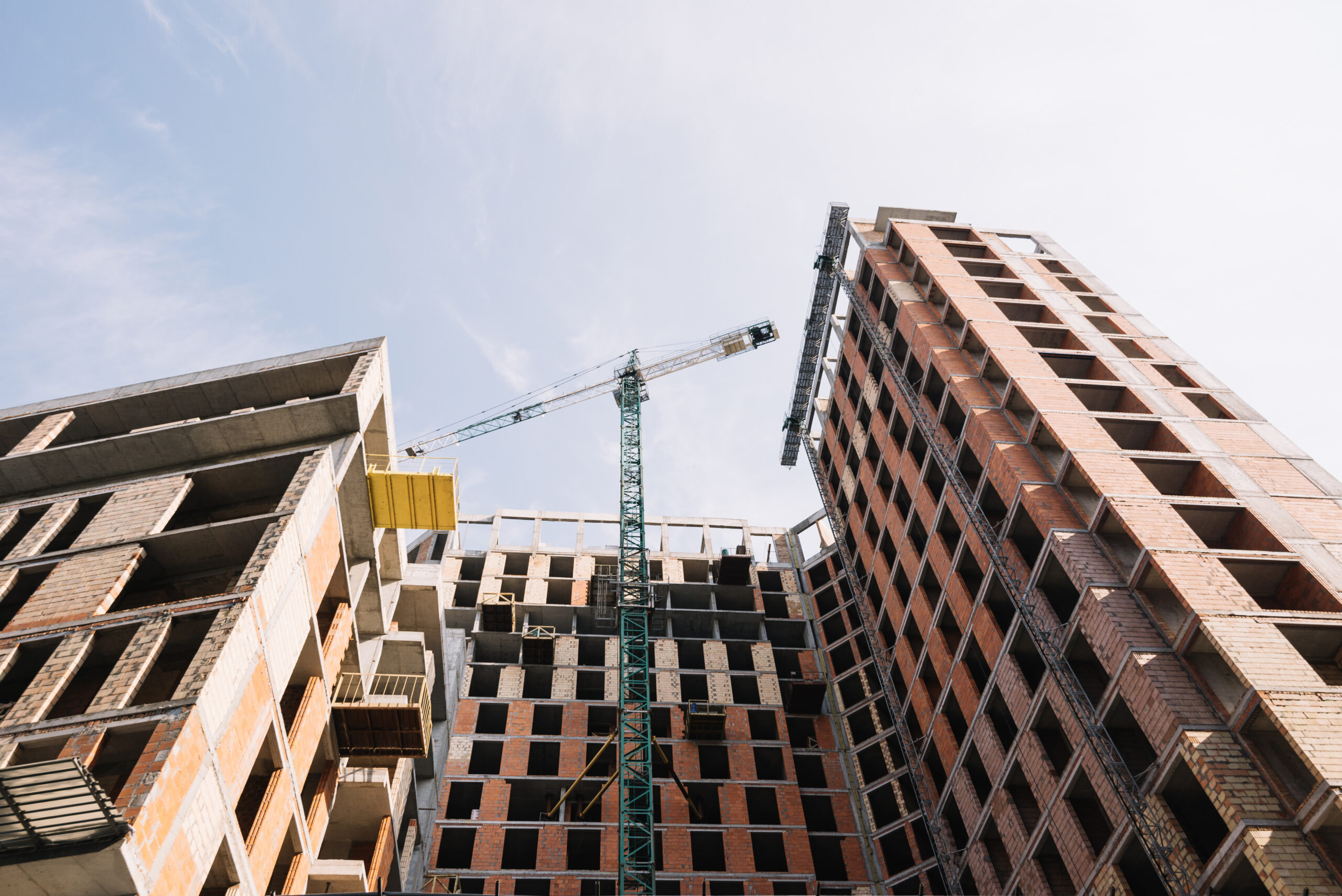
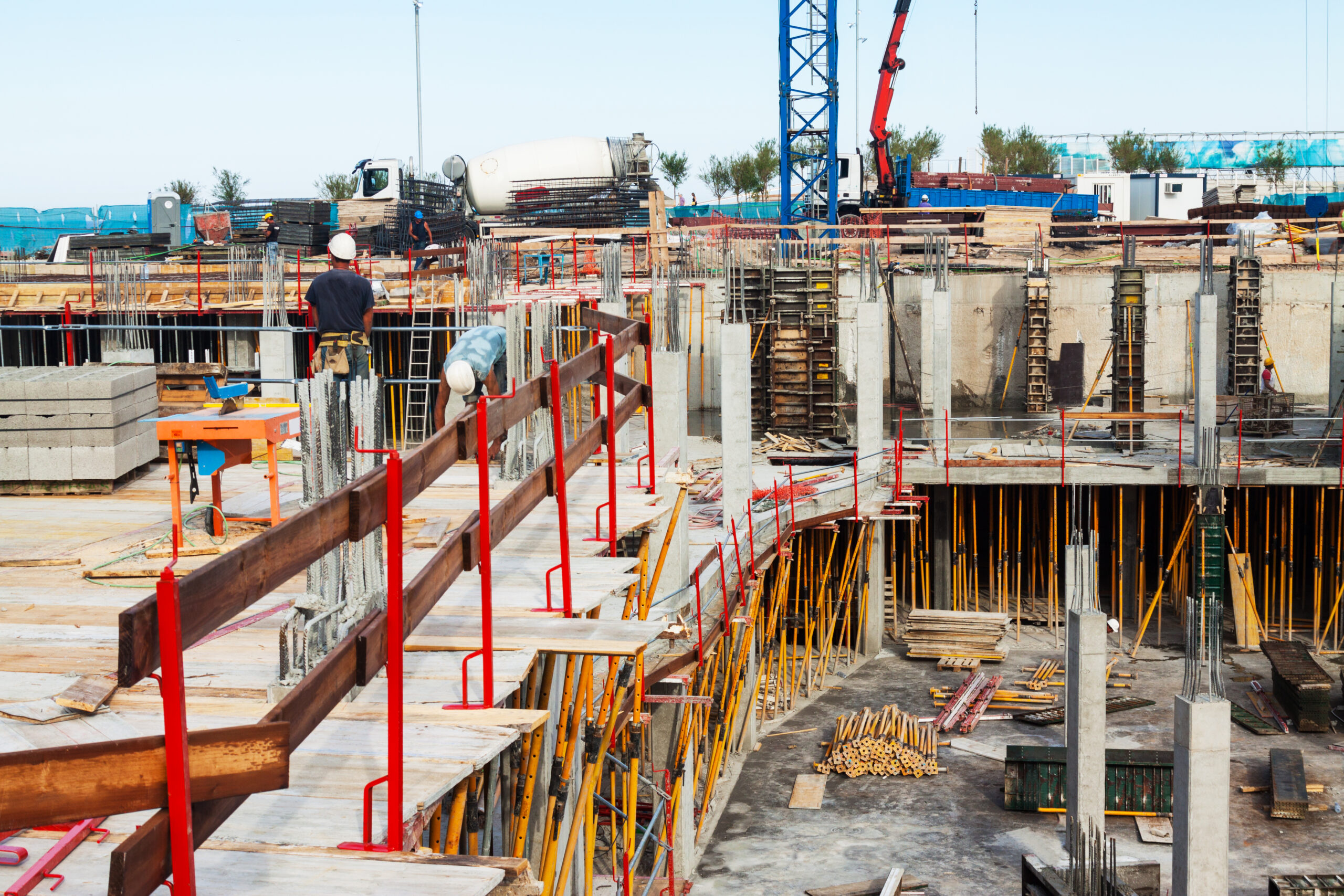

Construction and Projects: Building the Future through Innovation and Efficiency
Introduction
The construction and projects industry is one of the fundamental pillars of the modern economy, contributing to the development of infrastructure and providing essential facilities that support community growth. Projects in this sector encompass a wide range, from residential and commercial construction to large-scale ventures such as industrial facilities and public utilities. This industry significantly contributes to job creation, economic development, and the well-being of societies.
The Importance of Construction and Projects
Construction projects are essential elements in building and developing infrastructure, such as roads, bridges, and public facilities, which enhance the quality of life and facilitate transportation and mobility.
Through both large and small projects, construction companies stimulate the local economy by creating jobs, attracting investments, and enhancing activity in various sectors.
The construction industry contributes by adopting innovative and sustainable building methods that reduce environmental impacts and promote resource sustainability. Modern projects aim to build eco-friendly structures and minimize carbon emissions.
Challenges Facing the Construction and Projects Sector
The construction industry faces various financial challenges, such as funding large-scale projects and covering labor and material costs, requiring precise financial planning and effective budget management.
Fluctuations in the prices of raw materials such as steel, cement, and wood impact project costs, forcing construction companies to find solutions to reduce costs without compromising quality.
Construction companies may face difficulties in adapting to continuous changes in building codes and regulations, necessitating compliance with local and international standards.
Future Developments in the Sector
Technology in Construction:
The construction industry is witnessing significant advancements in modern technology, such as 3D printing and artificial intelligence, which improve construction efficiency and reduce costs.Smart Buildings:
The industry is moving towards building smart structures that rely on modern technology to enhance energy management, security, and comfort, contributing to reduced energy consumption and improving building performance in the long term.Sustainability and Innovation:
Companies are focusing on using eco-friendly building materials and advanced techniques to reduce environmental impacts, including effective heating and cooling systems and the integration of renewable energy in projects.
Conclusion
The construction and projects industry is a vital sector that significantly contributes to community development and sustainable economic growth. With innovation and modern technologies, this sector can overcome challenges and achieve significant success in building the future. Construction remains an essential part of every society and plays a key role in realizing the vision of sustainable development.